
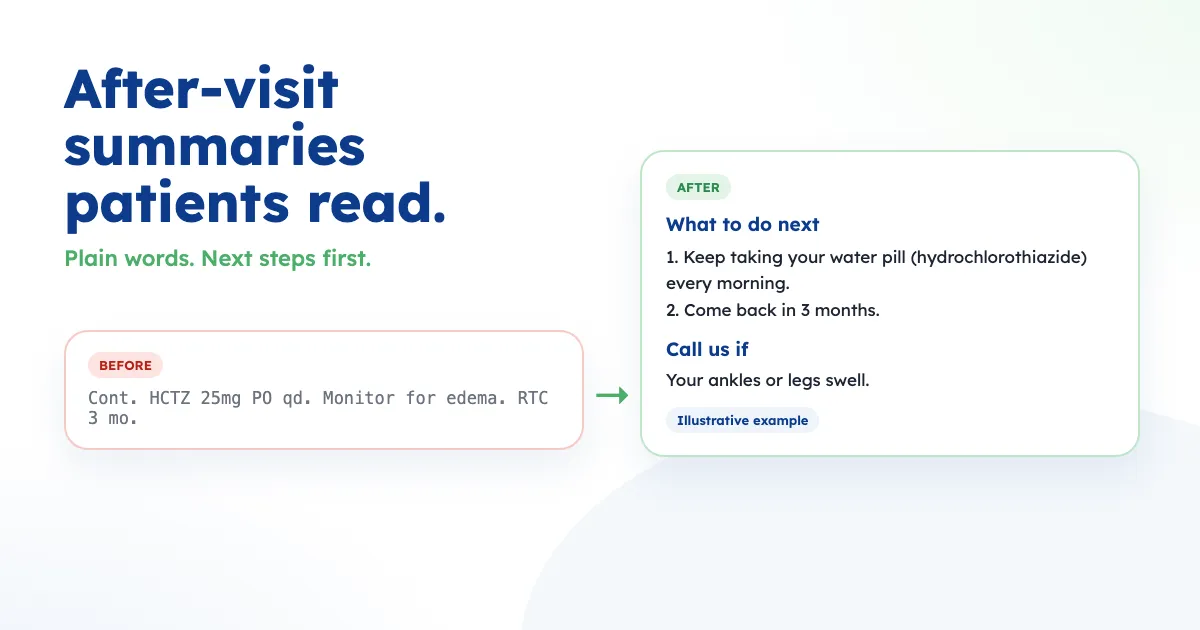
How to Write After-Visit Summaries Patients Actually Read
How to write after-visit summaries patients read: a structure that works, a plain-language swap list, unmistakable next steps, and teach-back.
14 Nov 2026
We know it's been quite the journey navigating the ever-evolving landscape of healthcare technology.
How to write after-visit summaries patients read: a structure that works, a plain-language swap list, unmistakable next steps, and teach-back.
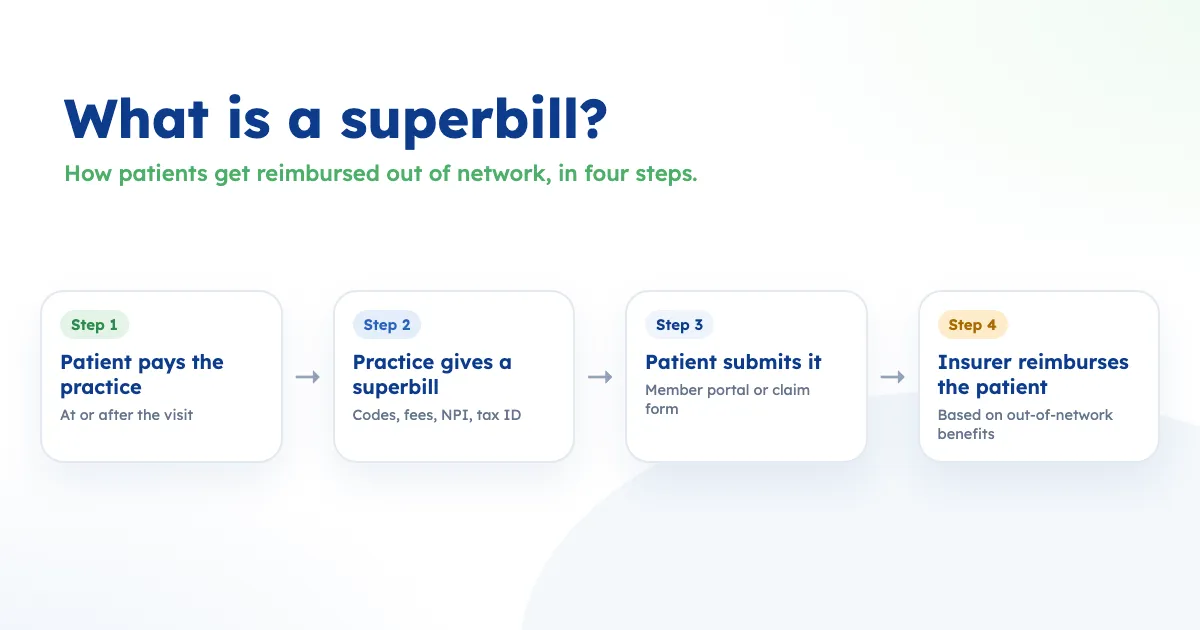
What a superbill must include, how patients get reimbursed out of network, Good Faith Estimate rules for self-pay patients, and why superbills get rejected.
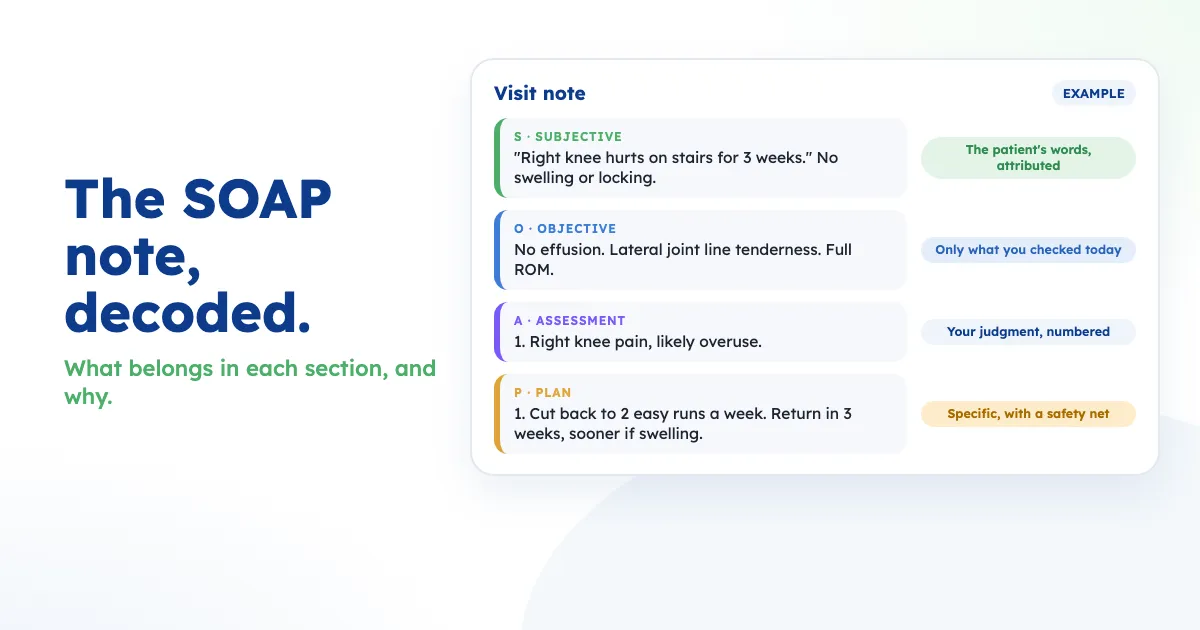
How to write a SOAP note that holds up: each section, what changed in 2021, writing for patients who read their notes, templates without cloning, and APSO.
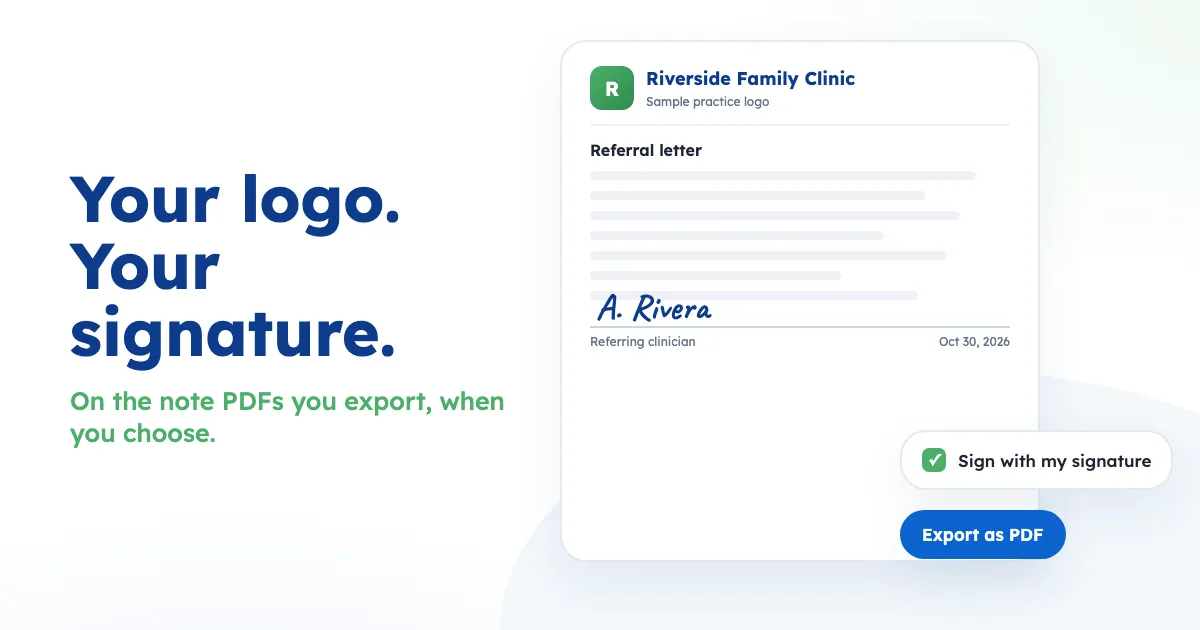
Othisis note PDFs now carry your practice logo and, when you choose, your saved signature. Plus: how patient summary refreshes work on each plan.
Showing 6 of 6 articles
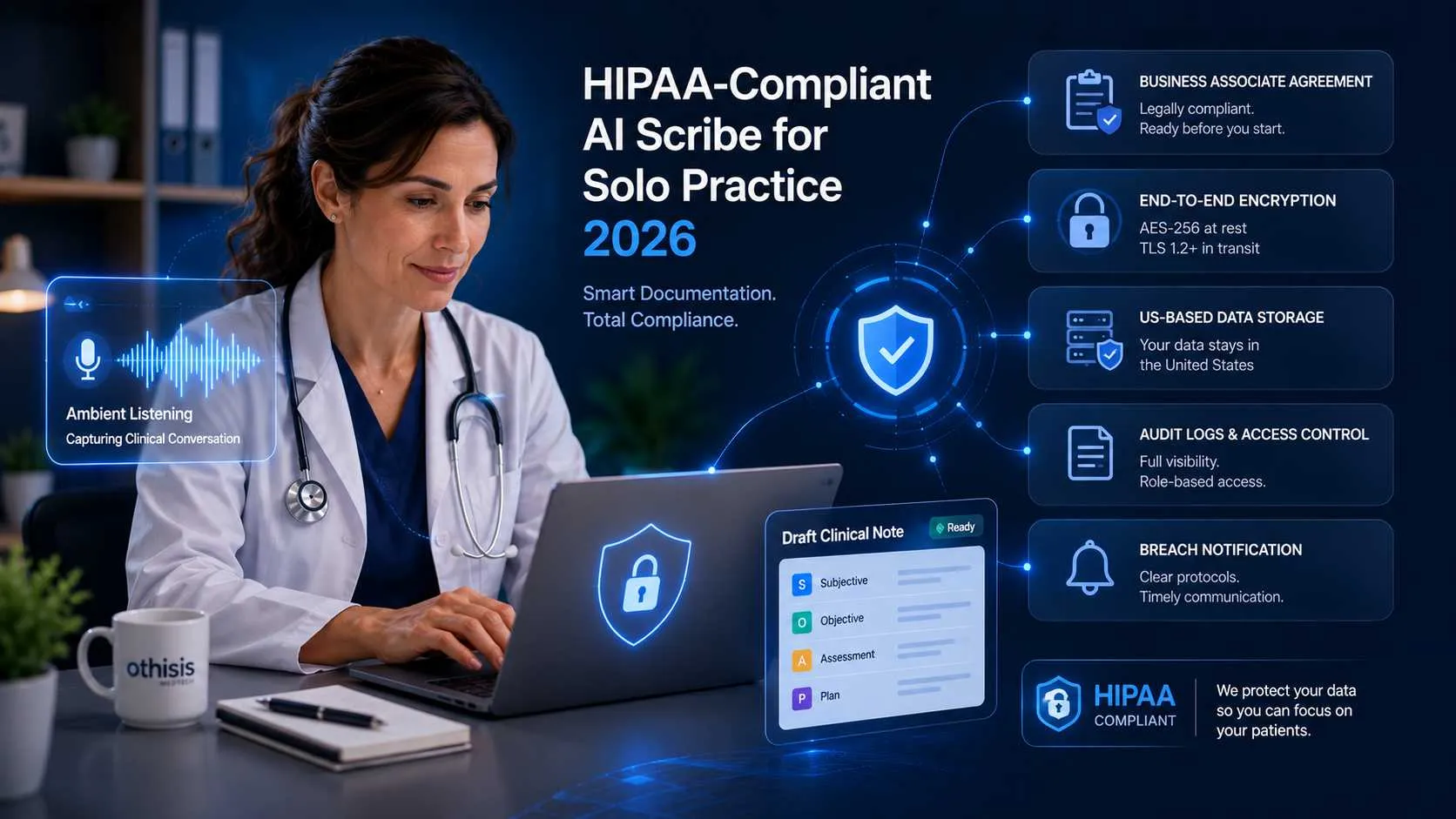
You need a BAA if an AI scribe handles PHI, but a BAA alone isn't enough. Check where data is stored, who can access it, and what your admins must set up.

See why verifiability matters more than accuracy claims when reviewing AI medical scribe notes in clinical documentation.
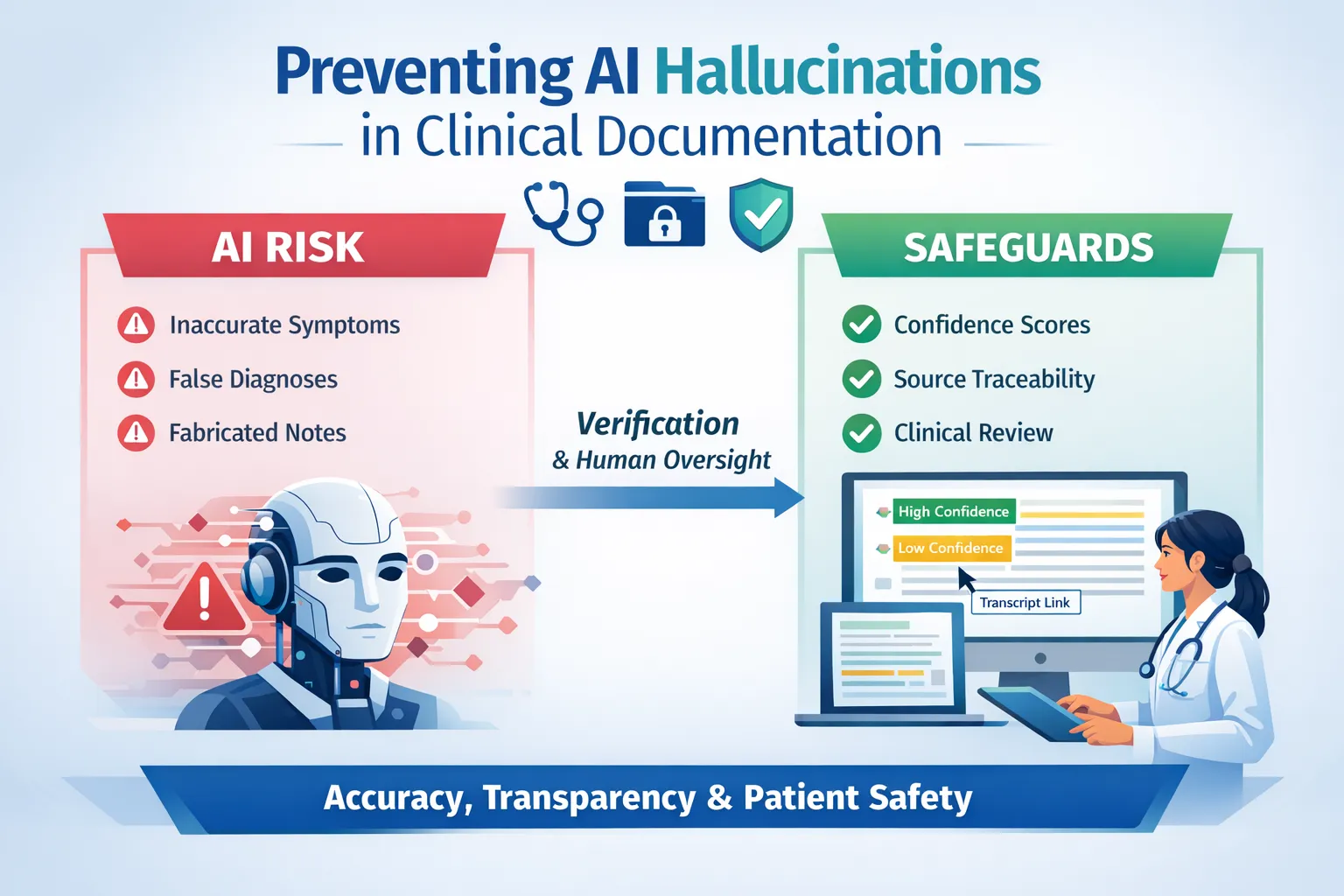
Why AI-drafted notes can hallucinate, how source traceability helps you check a line against the visit before signing, and what confidence scores measure.

Prepare for 2026 with audit-proof medical documentation compliance. Learn how traceable AI creates compliant documentation that protects your practice.

Medical AI delivers powerful results, but not always clear reasoning. Discover why traceability is becoming the new standard in healthcare AI.
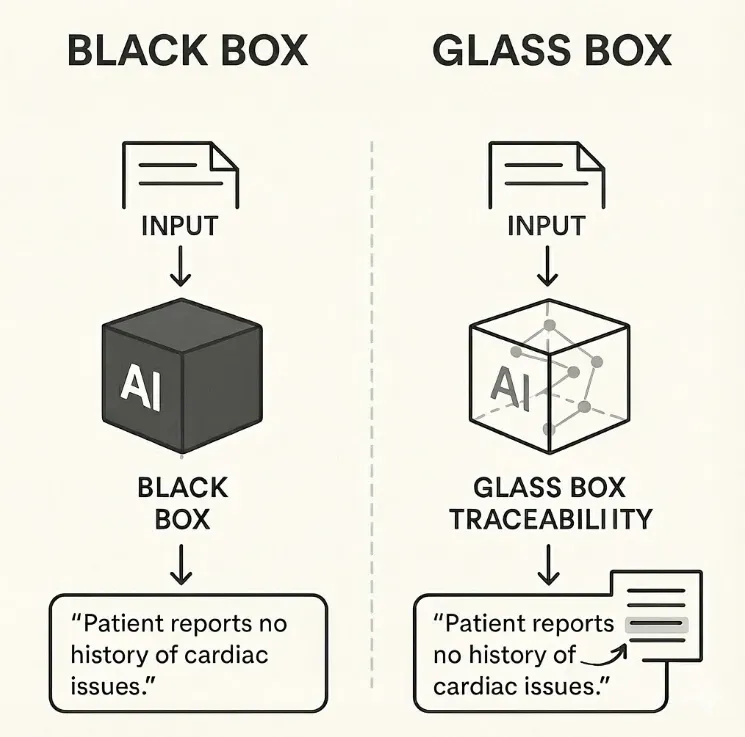
What black box and glass box AI mean for clinical documentation, and why notes you can trace back to the source are easier to trust and review.
This site is protected by reCAPTCHA and the Google Privacy Policy and Terms of Service apply.